
What is CTR and Why It Doesn’t Matter for Your Business

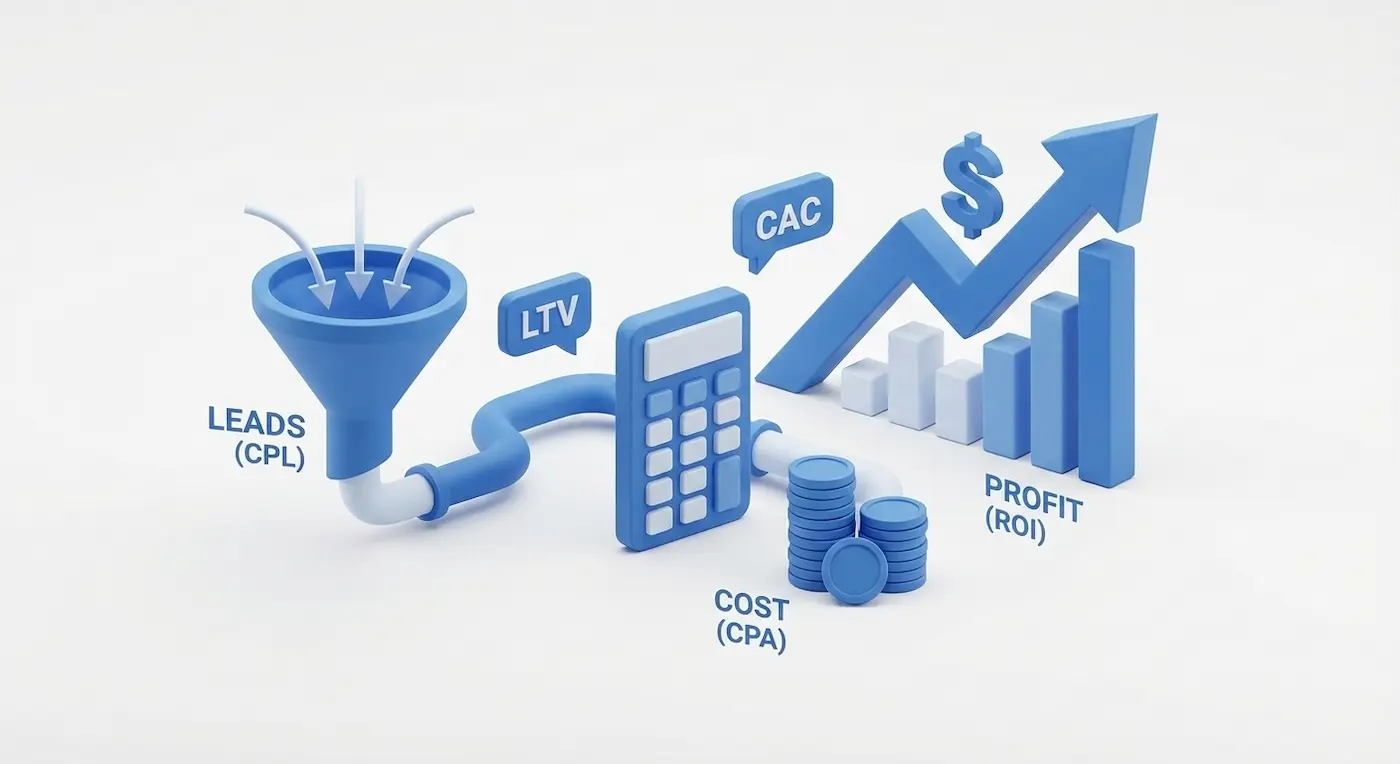
If you are an entrepreneur hiring a marketing agency, ask yourself: is it really worth diving into all these technical terms? For you, the true metrics of success are the Customer Acquisition Cost (CAC) and the Cost Per Lead (CPL)—which your sales team then converts into revenue. And, of course, the terms of collaboration with your advertising contractor.
However, we often hear clients say things like:
- "They promised us a CTR of X%. What can you promise?"
- "What was the CTR in your previous case studies?"
- "We need a CTR of at least..."
- "You need to increase our CTR."
Let’s clear this up and explain what this metric actually means.
What is CTR?
CTR (Click-Through Rate) is a standard digital advertising metric. It is defined as the ratio of clicks on an ad to the number of its impressions, measured as a percentage.
- Formula: (Number of Clicks / Number of Impressions) * 100%
- Example: If an ad was shown 10 times and clicked 2 times, its CTR is 20%.
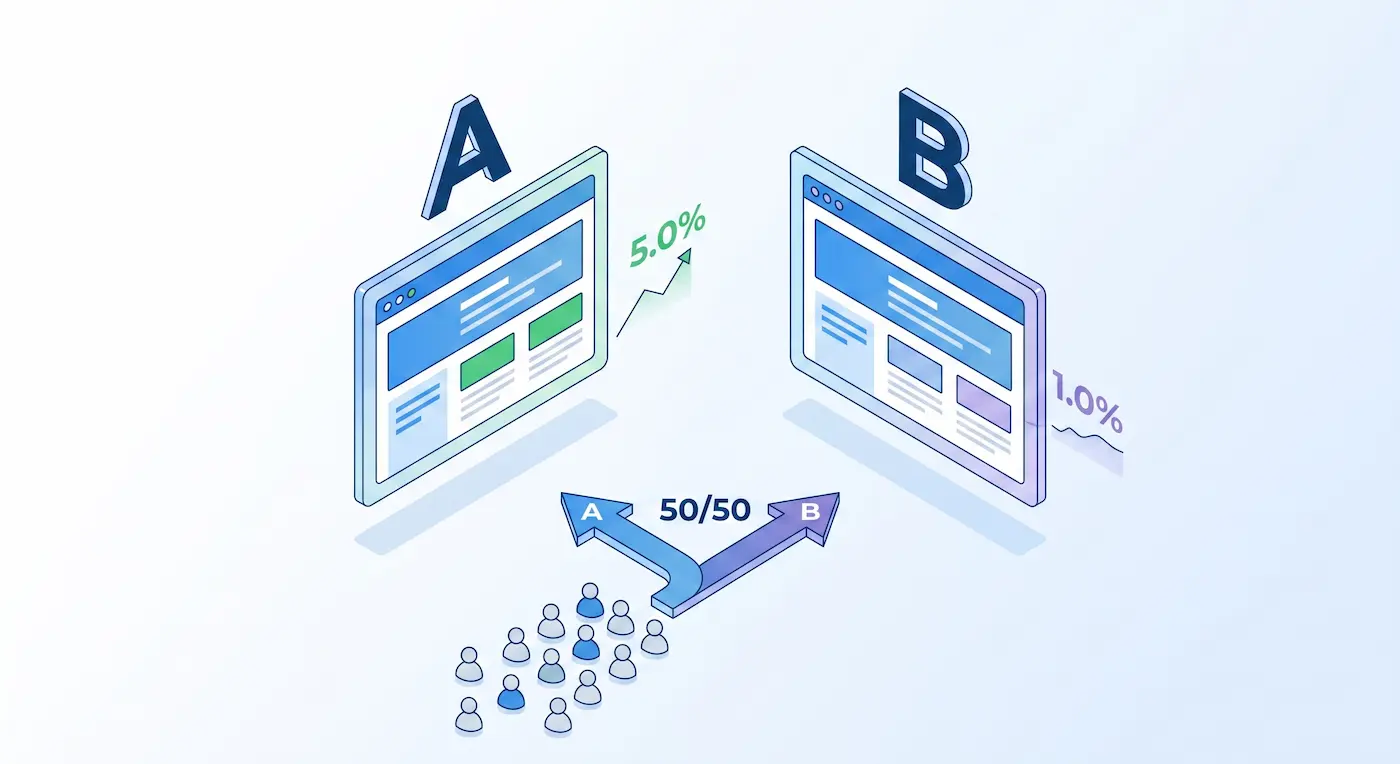
Also known as "clickability," this metric helps marketers evaluate ad performance, spot anomalies, and A/B test similar ads.
Industry Benchmarks
To give you an idea, here are some very rough, generalized benchmarks for different channels:
- ~0.5% — Display Ads (Google Display Network / Yandex Advertising Network).
- 2% – 15% — Search Ads (Google Search / Yandex Search).
- 0.05% – 1% — Targeted Social Media Ads (Facebook / LinkedIn ).
- 3% – 5% — A Call-to-Action button in an Email campaign (similar to Search).
The Nuances: Why Chasing CTR is a Trap
Generally speaking, a higher CTR is better. But you must remember that this is a highly intermediate, technical metric.
For example, when auditing Display Network placements, if a PPC specialist finds websites with an abnormally high CTR (e.g., >10%), they will immediately block them. Why? Because such results are implausible and almost always indicate click fraud or fraudulent websites.
It is useful for a marketer to compare the CTR of two similar ads that differ only in copy or imagery. However, when deciding whether to pause an ad, the decision should be based on its conversion rate, not its CTR.
Chasing CTR and micromanaging your contractors over it is a mistake. If you write "Click here to get a free iPhone" in your B2B ad, your clickability will skyrocket to the moon. But you won’t sell any of your actual services because it’s clickbait and deception.
The Wheel Rotation Analogy
To put it in everyday terms, CTR is like the number of wheel rotations on a vehicle.
When you need to travel somewhere, you care about specific results: travel time, the route, and comfort. You don't care how many times the wheels spin. You can travel the distance of one bus stop on a bicycle, a scooter, or a bus in the exact same amount of time. The speed and distance are the same, but the number of wheel rotations varies drastically. So what?
The exact same logic applies to CTR in advertising.
Conclusion
The most important metric for a business owner investing in ads is the Customer Acquisition Cost. This stems directly from the Cost Per Lead (CPL)—whether that's a form submission, an inquiry, or a phone call. Delivering leads at a profitable CPL is exactly what a competent advertising specialist is truly responsible for.
Read new articles:








Рентабельные рекламные кампании в Яндекс.Директ
Настроим и будем вести контекстную и таргетированную рекламу для вашего бизнеса
Создадим систему привлечения новых клиентов
Уменьшим цену входящего звонка и заявки
Увеличим заказы на маркетплейсах: Ozon, Yandex Market, WB
Подготовим понятные отчеты и аналитику