
"Do You Have a Case Study in My Niche?": Why This Question Sabotages Your Web Development
"We need a new website for our logistics firm. Can you show us your logistics case studies?""Have you ever engineered a B2B portal for industrial manufacturing? No? Sorry, we are looking for an industry specialist."
As a web professional with 12 years of experience, I hear this constantly. The irony is that this question—intended by B2B founders to reduce business risk—actually multiplies it.
Let's break down why hunting for a "niche specialist" is a developmental trap, and what you actually need to look for if you want an enterprise website that generates revenue, rather than just another generic picture for an agency's portfolio.
Trap #1: The Assembly Line vs. True Engineering
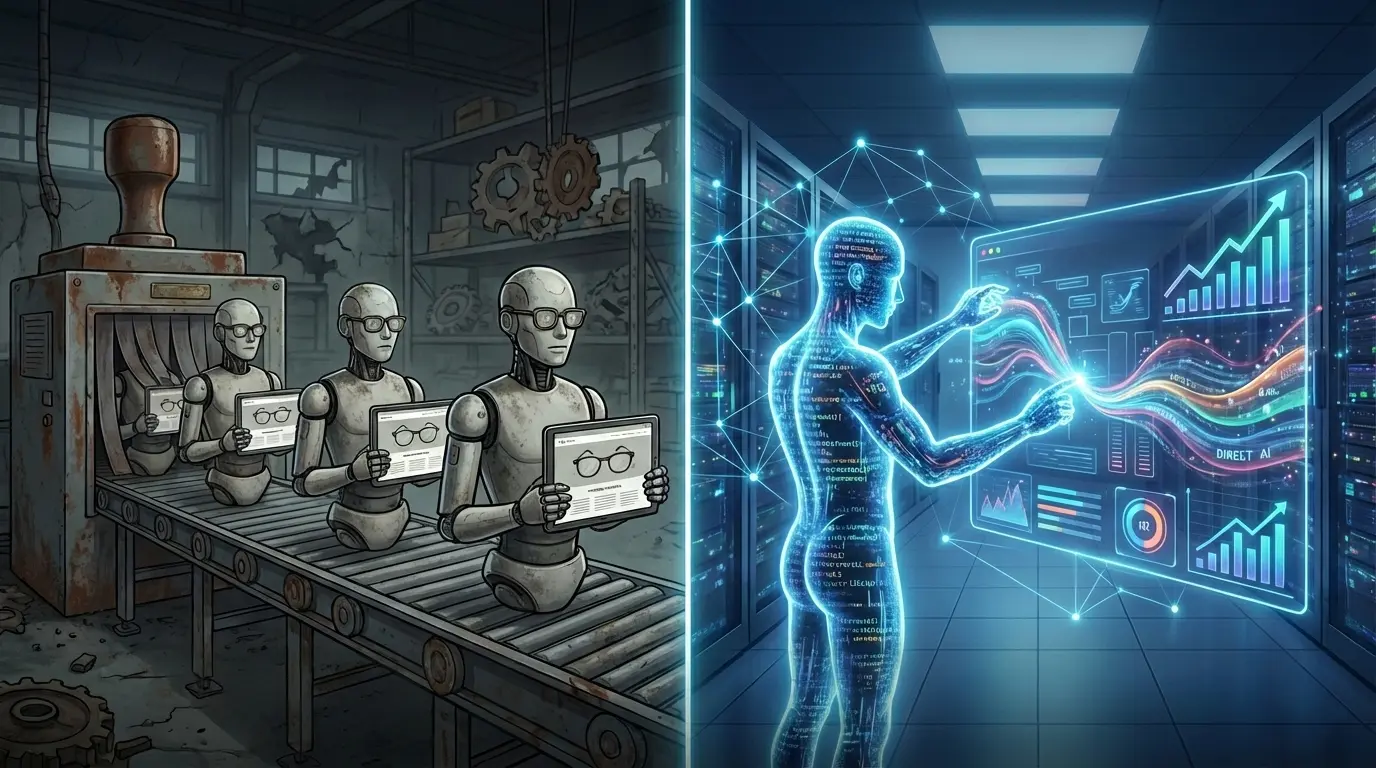
When an agency or freelancer builds their 50th website in the exact same narrow niche (e.g., "dental clinics" or "real estate"), they inevitably transition into an assembly line.
- The Blind Spot: They start copying the same layouts from your competitors. As a result, your new website becomes the "industry average." You look exactly like everyone else.
- Duplicating Legacy Errors: If they made a critical error in their checkout logic or DOM structure three years ago, that exact same flaw will be ported over to your project.
- Lack of Innovation: A niche worker knows "how it has always been done." They do not know how to leverage the modern capabilities of 2026—like advanced Webflow architecture, fluid typography, or complex CMS relational databases—because their template hasn't changed since 2020.
Trap #2: Ad Algorithms Do Not Care What You Sell
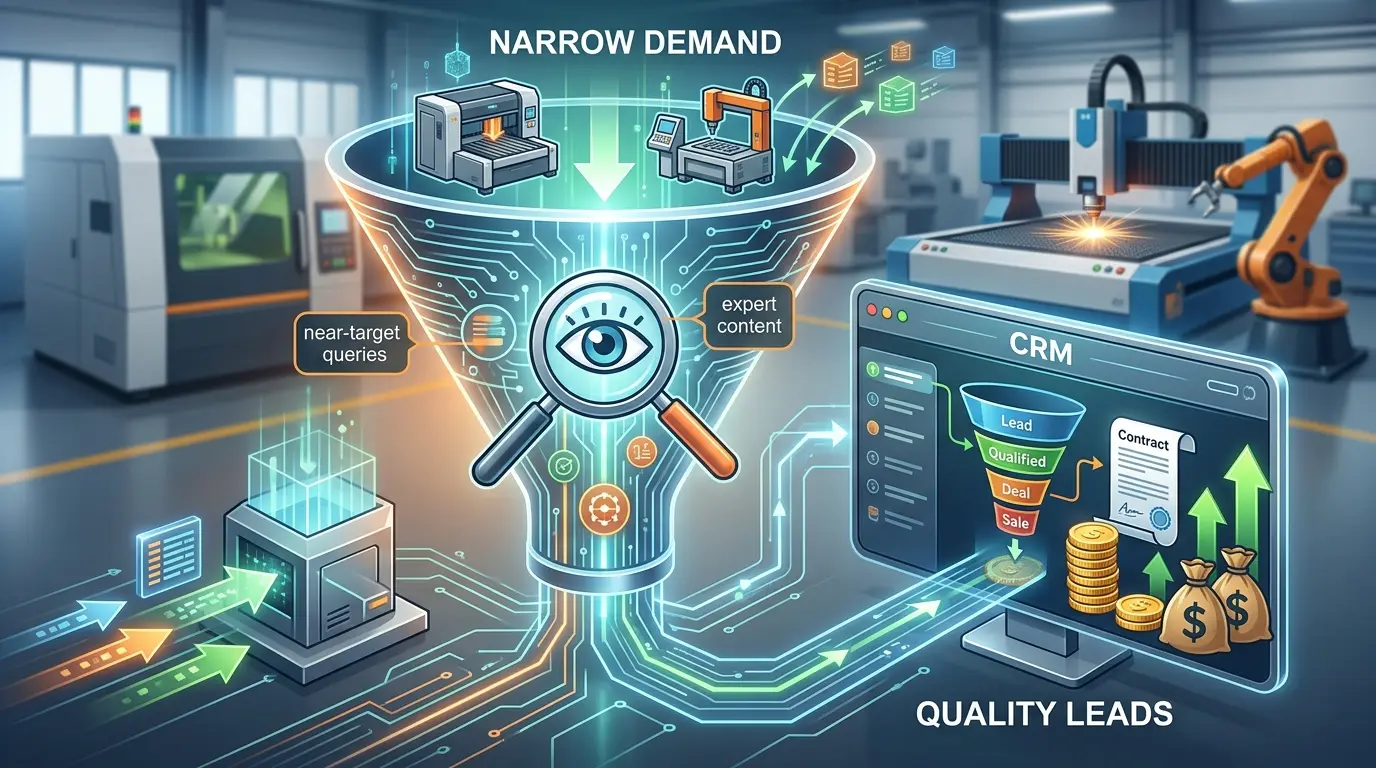
The neural networks powering Google Ads and LinkedIn Ads do not care if you sell heavy industrial machinery or enterprise SaaS software. They operate on the universal laws of mathematics and user behavior.
For the "Website + Paid Traffic" formula to actually generate ROI, three components are absolutely critical. None of them depend on knowing your specific industry:
1. Technical Perfection (DOM Architecture)
The ad platform's algorithm demands that your site loads in under a second, possesses clean semantic code, and features perfectly integrated conversion tracking. If an "industry expert" builds you a sluggish WordPress site that stutters on mobile devices, their knowledge of your niche will not save your ad budget from burning.
2. Semantic Architecture and UX
B2B buyers behave similarly across all sectors: they are looking for a solution to their pain point, confirmation of your reliability, and a frictionless path to contact you. The ability to architect a flawless Customer Journey Map (CJM) is a core UX engineering skill, not a byproduct of knowing your specific product catalog.
3. Flawless Data Flow
Running performance marketing in 2026 is about feeding clean data to machine learning algorithms. An engineer who knows how to structure Server-Side Tracking and conversion APIs will ensure your marketing team succeeds in any niche.
The Comparison: Who Should You Actually Hire?
Let's compare the two types of contractors so you can make an informed technical decision.
The 4 Questions You Should Actually Be Asking
Instead of asking, "Have you built a website for optics before?" try asking these four questions. They will instantly reveal the true level of your developer:
- "What tech stack do you use and why?" (The right answer: Webflow or clean semantic code, because it provides enterprise security, instant load times, and superior SEO architecture).
- "How do you architect the conversion funnel?" (Listen to see if they talk about user pain points and fluid UX, rather than just "pretty colors").
- "How will the DOM structure support our paid ad algorithms?" (A Senior Engineer will talk about Core Web Vitals, FCP, and data tracking).
- "How will we measure technical success?" (The answer should be about lower bounce rates, conversion metrics, and system scalability, not just "launching the site").
Summary
Engineering a high-performance B2B website is not about memorizing a specific product catalog. It is about building a digital asset that seamlessly converts a human staring at a screen into a paying client.
If you want a clone of your competitor's website—hire the niche specialist. But if you want a scalable infrastructure that converts Google Ads traffic, loads instantly, and operates without technical bottlenecks—hire a Tech Partner who understands methodology and modern engineering stacks.
I haven't built 100 websites for your specific niche. But I know how to engineer one Webflow architecture that will outperform all 100 of them in speed, scalability, and conversions.
Let’s stop duplicating industry averages. Send me a DM or book a technical consultation, and let's architect a digital presence that actually separates your brand from the competition.
Read new articles:





Рентабельные рекламные кампании в Яндекс.Директ
Настроим и будем вести контекстную и таргетированную рекламу для вашего бизнеса
Создадим систему привлечения новых клиентов
Уменьшим цену входящего звонка и заявки
Увеличим заказы на маркетплейсах: Ozon, Yandex Market, WB
Подготовим понятные отчеты и аналитику